A rotten-egg smell from your drain is caused by hydrogen sulfide gas, which usually comes from bacteria and buildup in the drain, a dry P-trap letting sewer gas escape, or a venting or sewer-line problem. Occasionally the smell shows up only in hot water, which points to a reaction in the water heater. The good news is that most causes are easy to identify and fix. Here's how to track down that rotten-egg odor and get rid of it for good.
What Causes a Rotten-Egg Drain Smell?
1. Bacteria and Buildup in the Drain
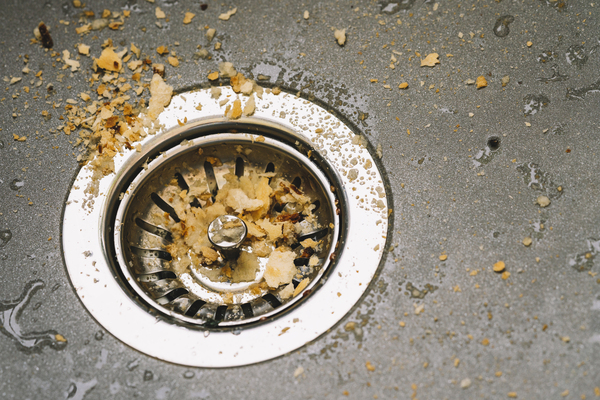
The most common cause. Food, grease, soap scum, and hair collect on the walls of the drain and trap, and the bacteria feeding on that gunk release a sulfur (rotten-egg) gas. This is especially common in kitchen sinks and any drain that isn't used often. A thorough cleaning of the drain and trap usually clears it.
2. A Dry P-Trap
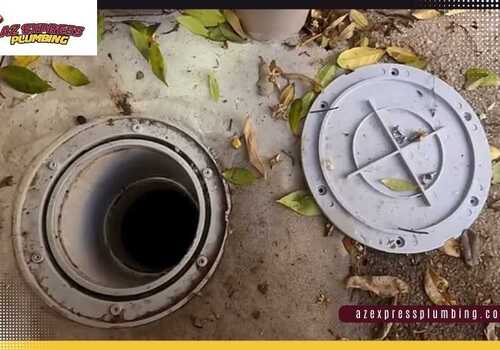
Every drain has a U-shaped pipe (the P-trap) that holds a small pool of water to block sewer gas from rising into your home. In a guest bathroom, floor drain, or rarely used sink, that water can evaporate, opening a direct path for sewer gas. Running water down the drain for a minute refills the trap and often solves the problem instantly.
3. Blocked or Faulty Vent
Your plumbing has vent pipes that let sewer gases escape up through the roof. If a vent is blocked by a nest, debris, or ice, gas can be forced back through your drains instead. A blocked vent often also causes gurgling drains and slow drainage.
4. A Sewer Line Problem
If the smell is strong, persistent, and coming from multiple drains, the issue may be deeper – a cracked or blocked sewer line letting gas escape. This warrants a professional camera inspection to locate the problem before it becomes a backup.
5. The Water Heater (Hot Water Only)
If the rotten-egg smell appears only in your hot water, it's usually a reaction between the water heater's anode rod, sulfate in the water, and bacteria in the tank. Flushing the tank and replacing the anode rod typically resolves it.
How to Get Rid of the Smell
- Flush the drain: run hot water, then a mix of baking soda and vinegar, then hot water again to break down buildup.
- Refill a dry trap: run water in unused sinks, tubs, and floor drains for a minute.
- Clean the garbage disposal: grind ice and citrus peel to clear odor-causing residue.
- Avoid harsh chemical cleaners, which can damage pipes and rarely fix the root cause.
If the smell keeps coming back after these steps, the cause is likely deeper in the line or in the venting, and it's time for a professional.
When to Call a Plumber
Call a professional if the odor is strong and persistent, comes from several drains at once, is joined by gurgling or slow drainage, or smells like raw sewage. These point to a venting or sewer-line issue that needs proper diagnosis. Sewer gas isn't just unpleasant – in high concentrations it's a health concern – so it shouldn't be ignored. Our team can pinpoint the source with a camera inspection and fix it at the root. Learn more about our drain cleaning and sewer line services.
Kitchen vs. Bathroom Drain Odors
Where the smell is coming from often hints at the cause. Kitchen sink odors are usually grease, food, and garbage-disposal residue feeding odor-causing bacteria – the disposal itself is a frequent culprit and benefits from a citrus-and-ice cleaning. Bathroom odors are more often hair and soap scum in the drain, or a dry P-trap in a shower or guest sink that isn't used often. A laundry or floor drain that smells is almost always a dried-out trap. Matching the odor to the fixture helps you fix the right thing the first time.
Why Drain Smells Are Common in San Tan Valley
Our climate plays a role. In the dry desert heat, the water in a P-trap evaporates faster, so seldom-used drains lose their sewer-gas seal more quickly than they would in a humid climate. Hard water also leaves scale inside pipes that gives buildup and bacteria more to cling to. And homes that sit empty during the hot summer months – a common situation here – often greet returning owners with odors from traps that dried out while they were away. Running water through every drain when you return is a simple fix.
How to Prevent Drain Odors
Keep smells from returning with a few simple habits: don't pour grease down the drain, use drain screens to catch food and hair, flush drains with hot water regularly, run water in seldom-used fixtures to keep traps full, and schedule a preventive drain cleaning every year or two. These small steps stop buildup before it starts.
Rotten-Egg Drain Smell FAQ
Is a sewer smell in my house dangerous?
In small amounts, sewer gas is mostly a nuisance, but higher concentrations of hydrogen sulfide can cause headaches and nausea and shouldn't be ignored. A persistent, strong sewer odor should be inspected by a professional.
Why does only my hot water smell like rotten eggs?
That points to the water heater – a reaction involving the anode rod and bacteria in the tank. Flushing the tank and replacing the anode rod usually clears it.
Why does my drain only smell sometimes?
Intermittent odors are often a dry P-trap in a rarely used drain, or gas pushed back through the drain when a vent is partially blocked or when large amounts of water are used elsewhere in the home.
Get Rid of Drain Odors in San Tan Valley
If a rotten-egg smell won't go away, Az Express Plumbing can find and fix the source fast. We serve San Tan Valley with same-day and 24/7 service and upfront pricing. Call (480) 771-7519 to schedule today.