The difference is simple: a sewer system carries your home's wastewater to a municipal treatment plant through city lines, while a septic system treats and disposes of wastewater on your own property in an underground tank and drain field. Many San Tan Valley properties - especially in more rural areas - are on septic, so it's worth knowing which you have and how to care for it. Here's what homeowners should know.
How Each System Works
Sewer
Your drains connect to a main sewer line that carries waste to the city's treatment system. You pay a sewer bill, and the city maintains the main lines. Your responsibility is the line from your home to the connection.
Septic
Wastewater flows to an on-site septic tank, where solids settle and bacteria break them down; the liquid then disperses into a drain field. There's no sewer bill, but you're responsible for maintaining the system - including periodic pumping.
How to Tell Which You Have
- A sewer bill from the city usually means you're on sewer.
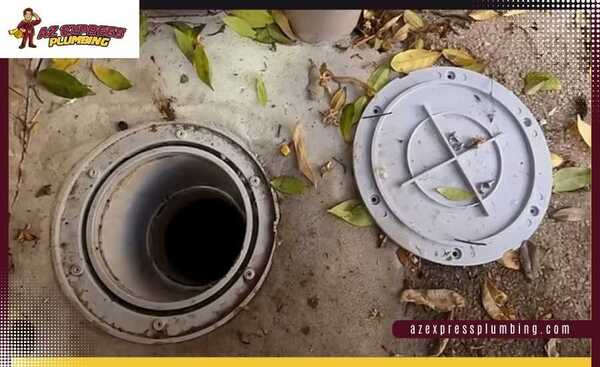
- A septic tank lid or access ports in the yard, and no sewer line on the street, point to septic.
- Property records and your title documents will specify.
Caring for a Septic System
- Pump the tank every 3-5 years (depending on size and household use).
- Be mindful of what goes down the drain - avoid grease, wipes, and harsh chemicals that disrupt the bacteria.
- Conserve water to avoid overloading the drain field.
- Watch for warning signs: slow drains, odors, soggy spots over the drain field, or backups.
Caring for a Sewer Connection
For sewer homes, the main concerns are keeping the line clear of grease and roots and addressing slow drains or backups early - signs of a main-line issue that a camera inspection can diagnose.
Septic or Sewer Help in San Tan Valley
Whether you're on septic or sewer, Az Express Plumbing can inspect, clear, and repair your lines. See our sewer line and excavation services, or call (480) 771-7519.
Related Articles You May Find Helpful