To fix a running toilet, you must first inspect the tank to identify the source of the leak. The most effective repairs include replacing a worn flapper, adjusting the float to lower the water level, or installing a new fill valve. A running toilet wastes hundreds of gallons of water and increases your monthly utility bills. Fixing these mechanical parts is a straightforward process. You will save money, reduce water waste, and prevent future overflows.
How to Diagnose a Running Toilet: Symptoms and Solutions
Review these common symptoms to identify which part of your toilet needs repair. Match the sound or behavior to the correct component and recommended action:
| Symptom | Likely Cause | Recommended Action |
| Water trickling into the bowl | Worn Flapper | Replace the flapper or clean the seat |
| Hissing sound from the tank | Faulty Fill Valve | Adjust the float or replace the valve |
| Constant flow into the overflow tube | High water level or faulty fill valve | Adjust the float or replace the fill valve |
| The handle feels loose or stuck | Chain Issues | Adjust length or reconnect |
| Random refilling (Phantom Flush) | Slow Flapper Leak | Perform a dye test and replace |
Why Is My Toilet Running? 5 Common Causes
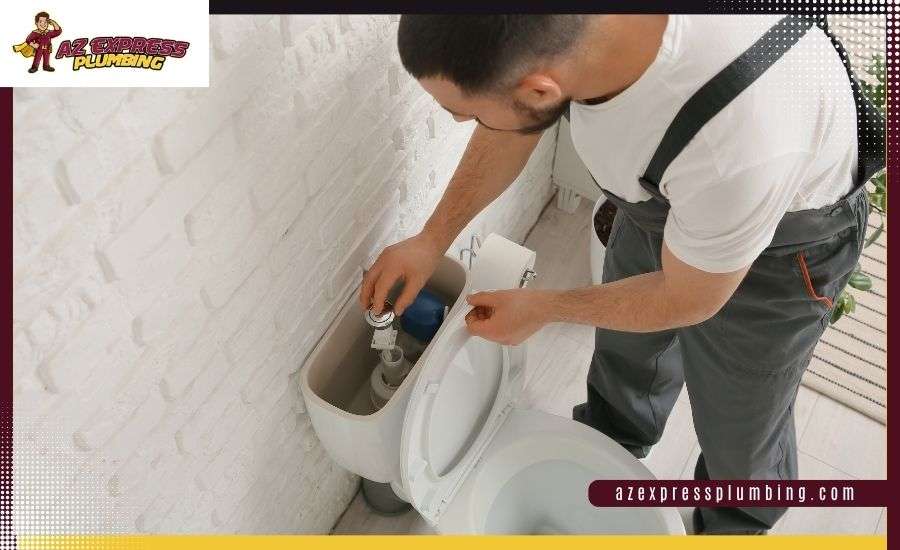
Finding the root cause helps you permanently fix a noisy or leaking tank. A running toilet is one of the most common plumbing problems in residential homes. Most issues stem from these mechanical failures:
- Worn Flapper: This rubber seal sits at the bottom of the tank. It degrades over time and allows water to leak continuously into the bowl. (See the EPA guide on household leaks).
- Incorrect Water Level: A float set too high forces water into the overflow tube. This causes the fill valve to cycle on and off constantly.
- Faulty Fill Valve: Internal seals in the fill valve wear out or clog with mineral deposits. This prevents the tank from stopping the refill cycle.
- Improper Refill Tube Position: A refill tube pushed too far into the overflow tube creates a siphon effect. It continuously pulls water from the tank.
- Cracked Flush Valve: A hairline fracture in the overflow pipe or flush valve assembly lets water leak directly into the bowl.
How to Stop a Running Toilet: Quick DIY Repairs
You can resolve most of these issues in minutes. Follow these steps to troubleshoot and repair your toilet:
- Lower the Float: Turn the adjustment screw or pinch the clip on the fill valve. Set the float so the water level stops one inch below the top of the overflow tube.
- Clean the Flush Valve Seat: Turn off the water supply and drain the tank. Use an abrasive sponge to remove mineral buildup on the rim where the flapper sits. This ensures a watertight seal.
- Adjust Chain Slack: Move the clip on the lift chain to leave about half an inch of slack. This prevents the chain from holding the flapper open or getting caught under the seal.
- Replace the Fill Valve: If the tank continues to hiss, you need a new fill valve. Turn off the water supply at the wall. If the wall valve is stuck, you must first know how to shut off the main water valve to your house. Unscrew the supply line, remove the bottom lock nut, and install the new assembly.
When to Hire a Professional Plumber for Toilet Repairs
Some plumbing problems require specialized tools and diagnostic experience. A professional ensures the repair meets local building codes:
- Corroded Tank Bolts: A plumber safely removes the tank to replace rusted bolts and gaskets that leak water onto your floor.
- Water Pressure Issues: Plumbers test your home's water pressure. Pressure over 80 PSI damages fill valves repeatedly. Alternatively, failing fixtures and hidden leaks can also cause low water pressure in the house.
- Cracked Flush Valves: If the plastic flush valve base cracks, an expert removes the tank and replaces the assembly without damaging the porcelain.
- Hidden Leaks: Sometimes a running toilet indicates a larger, hidden leak or requires emergency repairs in your plumbing system.
- Damaged Floor Flange: If the toilet base rocks, a professional must repair the floor flange. This prevents serious water damage to your subfloor.
How to Prevent Future Toilet Leaks
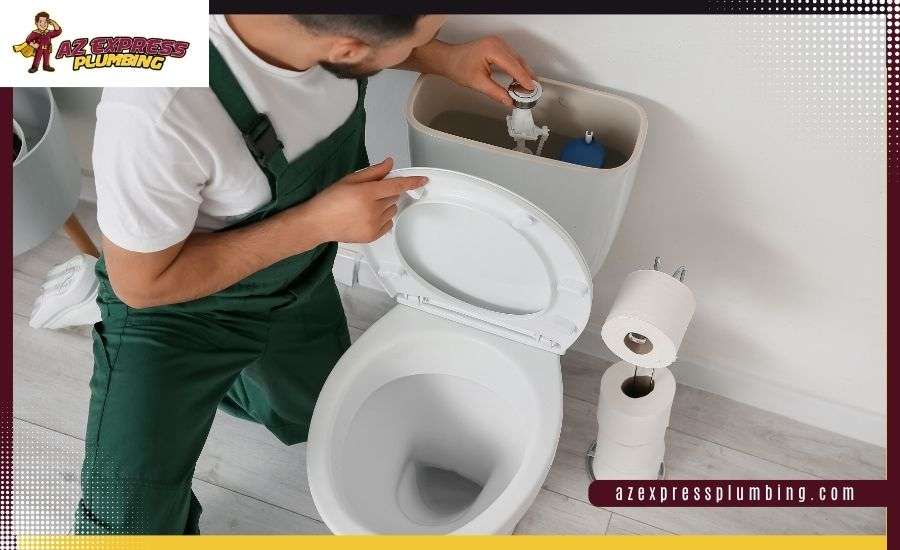
Inspecting your toilet tank regularly prevents high water bills and messy overflows. Routine maintenance keeps your plumbing system reliable. Az Express Plumbing Of San Tan Valley is a full-service plumbing company in San Tan Valley AZ, specializing in emergency repairs, drain cleaning, and water heater services for local homeowners.
Stop paying for wasted water. Schedule a permanent repair with our expert San Tan Valley plumber.
Frequently Asked Questions
Why does my toilet run for a long time after flushing?
The fill valve operates slowly due to sediment buildup, or the water level is set too close to the top of the overflow tube.
How do I know if my toilet flapper is bad?
Perform a dye test. Add a few drops of food coloring to the tank water. If the color seeps into the bowl without flushing, your flapper is leaking.
Can a running toilet increase my water bill?
Yes. A continuous leak wastes thousands of gallons of water each month. This can add $100 or more to your utility bill.
Is it easy to fix a running toilet yourself?
Yes. You can fix common issues like a tangled chain or high float by hand in minutes. Internal valve failures require basic replacement parts.
What is a phantom flush and how do I fix it?
A phantom flush happens when the toilet refills itself randomly without being flushed. You can fix this by replacing a leaking flapper or cleaning the flush valve seat.
Need a Plumber in San Tan Valley?
If your toilet keeps running after these steps, it is time to call a pro. Az Express Plumbing provides fast, reliable toilet repair throughout San Tan Valley, AZ, with same-day and 24/7 emergency service. Call (480) 771-7519 to schedule with a licensed local plumber today.