Low water pressure in the house usually stems from a specific mechanical failure or a blockage within your plumbing distribution system. Most homeowners notice the drop in flow at a single faucet or across the entire property, which helps narrow down whether the issue is a simple clogged screen, plumbing leak, or a failing pressure regulator.
Identifying the root cause quickly prevents secondary damage to plumbing fixtures that require specific PSI levels to operate correctly. In this guide, you will learn how to diagnose and fix the most common pressure issues.
- Quick Diagnostic Overview
- Identifying Why Water Flow Is Weak
- Faulty Pressure Reducing Valve (PRV)
- Water Meter or Main Shut-off Valves
- Mineral Buildup in Aerators
- Corroded Galvanized Pipes
- Plumbing System Leaks
- When to Hire a Licensed Plumber
- Restore Your Home's Proper Water Pressure
- Frequently Asked Questions
- Why is my water pressure suddenly low?
- How can I test my home's water pressure?
- Can a water heater cause low hot water pressure?
- Where is my pressure-reducing valve located?
- When should I call a plumber for low water pressure?
- Need a Plumber in San Tan Valley?
Quick Diagnostic Overview
The following table provides a fast reference to help you categorize your water pressure symptoms. Most residential plumbing systems operate best between 50 and 70 PSI. Use this to determine if your issue is localized to one fixture or a systemic problem affecting the entire property:
| Symptom | Probable Cause | Scope |
| Weak flow at one sink | Clogged aerator or fixture | Localized |
| Weak flow at every faucet | Failing PRV or main valve | Systemic |
| Sudden total pressure drop | Main line leak or city issue | Systemic |
| Only hot water is weak | Water heater restriction | Localized |
Identifying Why Water Flow Is Weak
Finding the source of the problem requires a process of elimination starting from the main supply and moving toward individual fixtures. You need to determine if the drop in force is a localized issue or a systemic failure.
Faulty Pressure Reducing Valve (PRV)
The PRV is a brass bell-shaped device that regulates the high pressure from the city down to a safe level for your home. When the internal diaphragm or spring wears out, it can throttle the water flow and cause a sudden drop in pressure across every fixture. Follow these to check for faulty pressure:
- Check the Setting: Use a screwdriver to turn the adjustment bolt on top of the valve to see if the pressure responds.
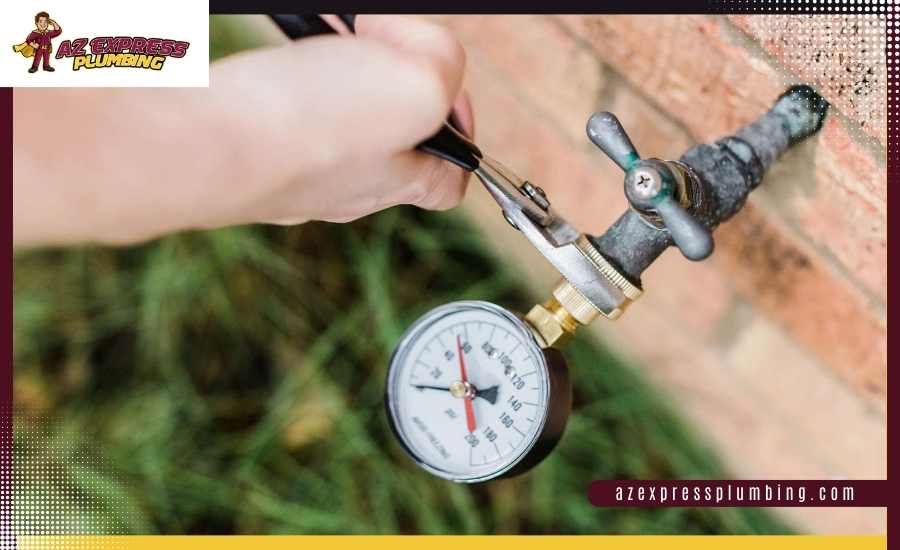
- Test the PSI: Attach a pressure gauge to an outside hose bib. Normal residential pressure should range between 50 and 70 PSI. If the reading stays below 40 PSI regardless of adjustments, the PRV may be failing.
Water Meter or Main Shut-off Valves
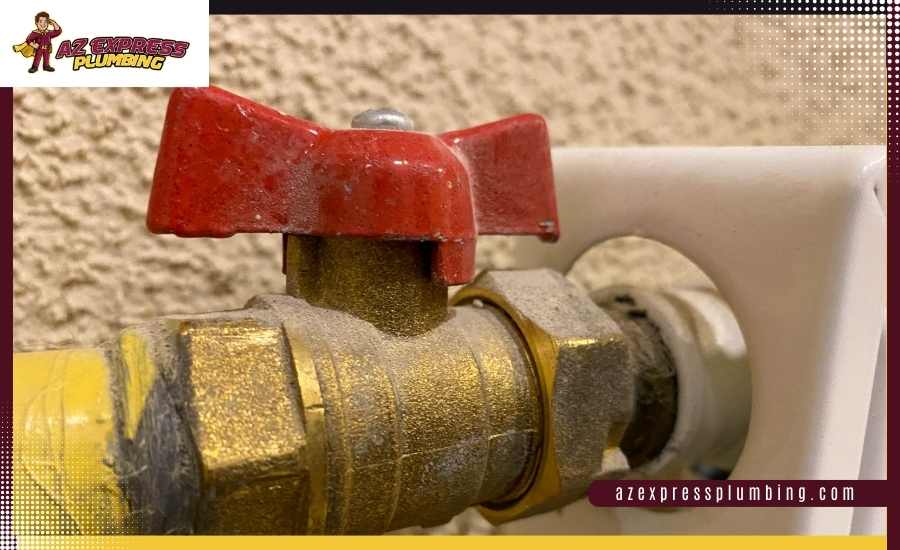
Your home has two primary valves that control the total volume of water entering the pipes. If either of these is partially closed due to recent maintenance or accidental bumping, the flow will be severely restricted. Here's what to do:
- Inspect the Handle: Verify that the lever-style ball valve is parallel to the pipe or the wheel-style gate valve is turned fully counter-clockwise.
- Confirm with the City: Ensure the municipal valve located at the street meter box is fully open and has not been tampered with.
Mineral Buildup in Aerators
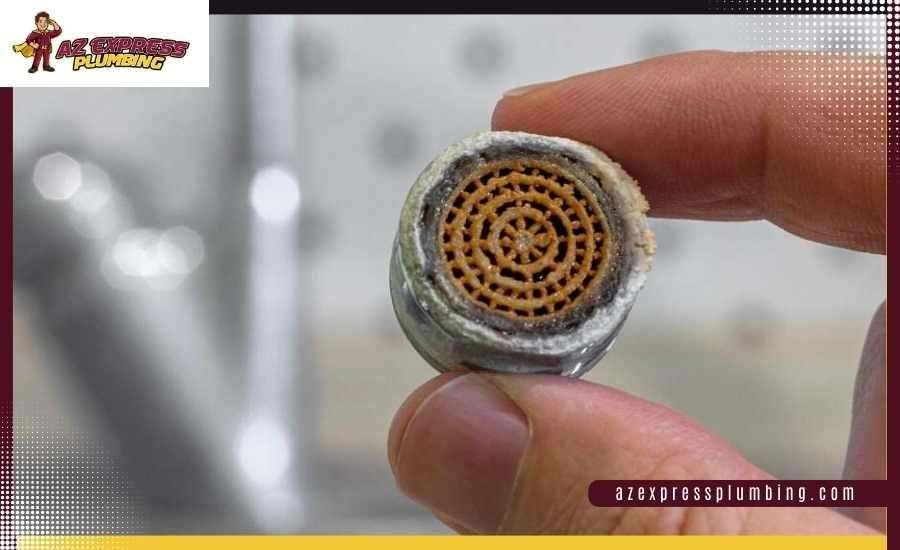
Hard water contains calcium and magnesium that harden into solid deposits over time inside your faucet screens. These deposits create a blockage that reduces water flow at specific sinks or showers. Here's how to check for mineral buildup:
- Remove the Tip: Unscrew the aerator at the end of the faucet using a pair of pliers, and wrap a rag around the faucet to protect the finish.
- Clear The Debris: Rinse out any visible grit and soak the mesh screen in vinegar to dissolve the remaining scale.
Corroded Galvanized Pipes
If your home was built before the mid-1970s, you likely have steel pipes that rust from the inside out. This rust creates a "clogged artery" effect where the internal diameter of the pipe becomes too narrow to support proper flow volume under demand, even if static pressure tests appear normal. Follow these recommendations:
- Check Pipe Material: Look for silver-grey metal pipes in your basement or crawlspace that show signs of external rusting or "pimples."
- Evaluate Flow: Observe if the pressure is fine for the first few seconds of a shower, but then drops off significantly as the narrow pipe fails to keep up with demand.
Plumbing System Leaks
A breach in your main service line or internal piping allows water to escape the system before it reaches your fixtures. Small leaks do not always cause noticeable pressure drops. Here's how to check for leaks:
- Conduct A Meter Test: Shut off all water-using appliances and check if the flow indicator on your water meter is still spinning.
- Monitor Wet Spots: Look for unexplained damp patches in your yard or soft spots on your drywall that indicate a pipe has failed.
When to Hire a Licensed Plumber
While cleaning a faucet screen is a simple task, any work involving the main water line requires an expert. You must call a professional if you need to cut into your main service line or if you suspect a leak under your foundation:
- Main Line Repair: Hiring a pro is necessary when the PRV needs full replacement or when the main service line is leaking.
- Whole-Home Repiping: Professionals must handle the removal of galvanized pipes to ensure the new PEX or copper lines meet local building codes.
- Slab Leak Detection: Experts use specialized sonic equipment to find leaks under concrete that drain pressure from the entire house.
Restore Your Home's Proper Water Pressure
Fixing low pressure is a matter of identifying whether the restriction is mechanical, mineral, or structural. By starting with the easiest fixes like checking valves and cleaning aerators, you can often solve the problem without a major financial investment.
At Az Express Plumbing, we specialize in calibrating your system to optimal levels so your fixtures last longer and your plumbing runs efficiently. Call us today if you need an expert plumber in San Tan Valley.
Can't Find the Cause? Let Our Experts Diagnose and Restore Your Water Pressure.
Frequently Asked Questions
Why is my water pressure suddenly low?
A sudden drop is usually caused by a water main break, a partially closed shut-off valve, or a failed Pressure Reducing Valve. If the drop is neighborhood-wide, the issue is likely a municipal supply problem.
How can I test my home's water pressure?
You can test the pressure by attaching a standard water pressure gauge to an outdoor hose bib or a laundry room faucet. Open the valve fully while no other water is running in the house to get an accurate PSI reading.
Can a water heater cause low hot water pressure?
Yes. If sediment accumulates heavily inside the tank, if the hot water outlet becomes restricted, or if the inlet valve is partially closed, hot water flow may be reduced while cold pressure remains normal. This results in strong cold water pressure but weak flow whenever you turn on the hot tap.
Where is my pressure-reducing valve located?
The PRV is typically found near the main water shut-off valve where the line enters the house. It is often located in the basement, a crawlspace, or a dedicated utility closet.
When should I call a plumber for low water pressure?
You should call a plumber if you suspect a hidden leak, if your PRV needs replacement, or if the pressure issues involve your main service line. Professional intervention is required whenever the repair involves cutting pipes or altering the main supply.
Need a Plumber in San Tan Valley?
Low water pressure is often a sign of a hidden leak or buildup that needs a professional eye. Az Express Plumbing provides fast, reliable leak detection & repair throughout San Tan Valley, AZ, with same-day and 24/7 emergency service. Call (480) 771-7519 to schedule with a licensed local plumber today.