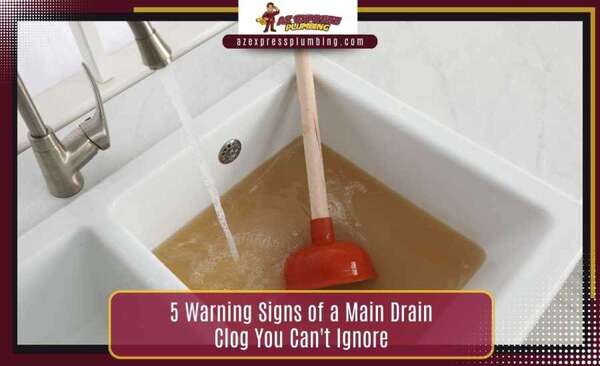
Flushing the toilet and seeing water rise in the shower indicates a serious failure in your plumbing system, specifically a blockage in the main sewer line that prevents wastewater from leaving your home. Unlike a standard clog, a main line obstruction affects every fixture in your house and requires immediate attention to avoid hazardous sewage from backing up into your living space. In this guide, we will cover the critical signs of a main drain clog and the immediate steps you must take to avoid a messy and costly disaster.
- Quick Guide to Main Line Symptoms
- 5 Key Sewer Line Blockage Symptoms
- 1. Multiple Drains Clogged at Once
- 2. Water Backing Up in the Bathtub
- 3. Toilet Bubbles When the Shower Runs
- 4. Sewer Odors and Yard Puddles
- 5. Standing Water in the Sewer Cleanout
- Why Chemical Drain Cleaners Fail
- How to Test Your Drains at Home
- When to Call a Professional Plumber
- Protect Your Home from Sewage Backups
- Frequently Asked Questions
- How do I know if my main sewer line is clogged?
- Is a main drain clog an emergency?
- What causes the main sewer line to clog?
- Why are all my drains backing up?
- What happens if a main sewer line is clogged?
Quick Guide to Main Line Symptoms
Identifying the difference between a simple clog and a main line failure saves you time and money. Here is a quick breakdown of what to look for in your home to gauge the severity of the problem.
| Symptom | Location | Severity |
| Simultaneous Clogs | Kitchen & Bath | High |
| Water Backup | Shower/Tub | High |
| Gurgling Sounds | Toilet/Sinks | Moderate |
| Foul Odors | Floor Drains | High |
| Cleanout Overflow | Yard | Critical |
5 Key Sewer Line Blockage Symptoms
Identifying a major plumbing issue requires looking for specific behaviors in your fixtures that go beyond a simple slow drain. If you notice any of the following sewer line blockage symptoms, you likely need professional assistance immediately:
1. Multiple Drains Clogged at Once
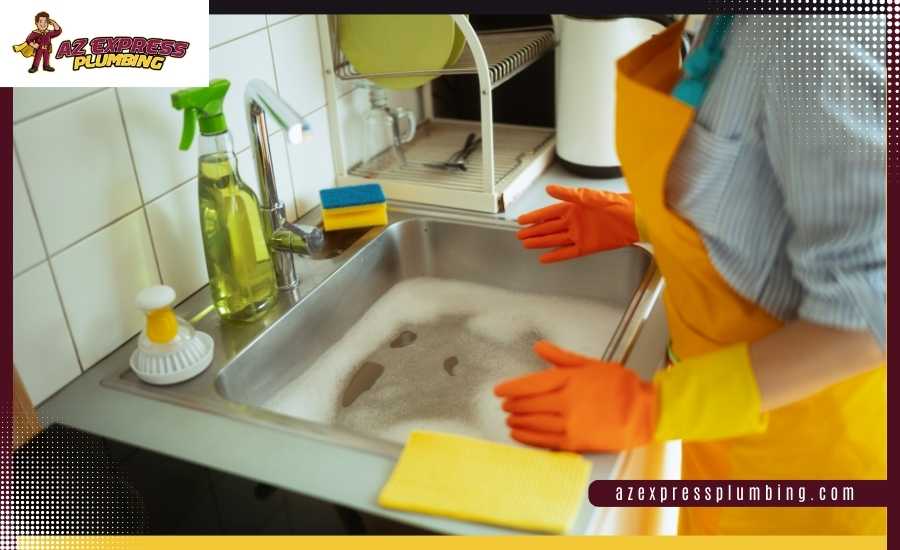
Think of your plumbing like a tree where the main line is the trunk and drains are branches; if the trunk is blocked, the branches fail. You will often notice the kitchen sink draining slowly while the bathroom toilet simultaneously stops working.
2. Water Backing Up in the Bathtub
Wastewater seeks the lowest point of relief when the main path is obstructed. This often results in sewage appearing in ground-floor showers or tubs when you flush the toilet or run the washing machine.
3. Toilet Bubbles When the Shower Runs
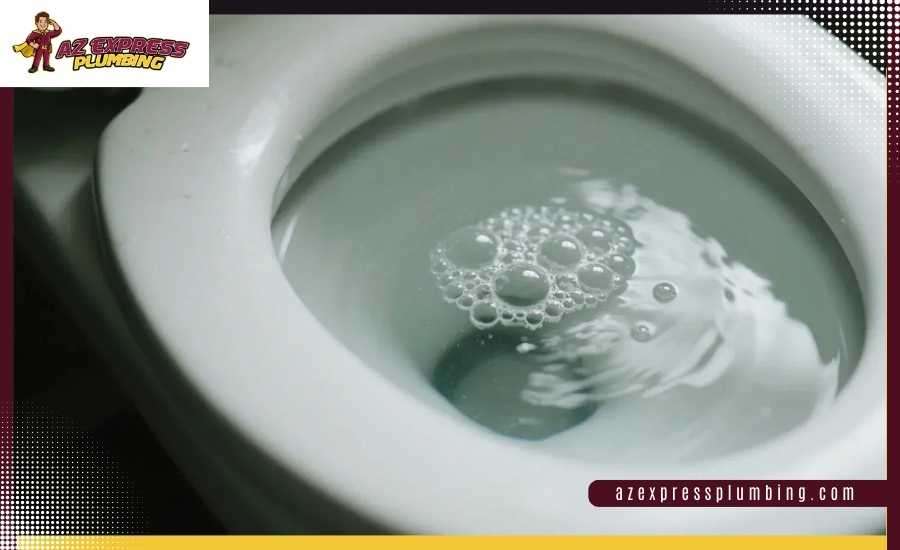
Trapped air trying to escape a blockage forces its way up through water traps. You might hear distinct gurgling noises or see bubbles rising in the toilet bowl when a nearby sink is running.
4. Sewer Odors and Yard Puddles
A healthy drain should never smell, so persistent rotten egg odors often indicate sewage sitting in the pipes. Outdoors, look for soggy patches of grass or sunken soil caused by tree roots in sewer line connections or a collapsed pipe.
5. Standing Water in the Sewer Cleanout
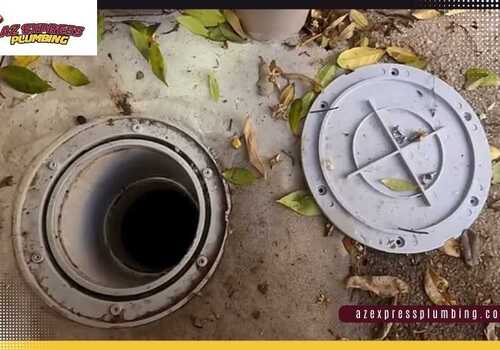
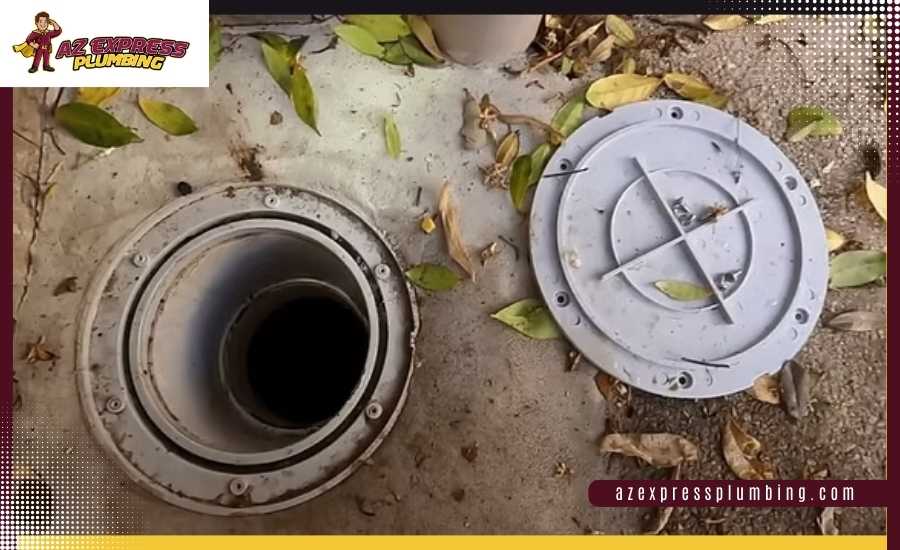
Most homes have an access point in the yard called a sewer cleanout, which allows plumbers to access the main line. If you open this cap and find water standing high or spilling out, the blockage is definitely located downstream.
Why Chemical Drain Cleaners Fail
Pouring heavy-duty drain cleaners down the sink is often ineffective for main line problems and can actually damage your pipes. These are the specific reasons why you should avoid using harsh chemicals for a main line stoppage:
- Distance: Main line blockages are often 50 feet or more away from the drain, and chemicals become too diluted to be effective by the time they reach the clog.
- Corrosion: Harsh chemicals can sit in your pipes without moving the blockage, eating away at the material, and causing long-term damage.
- Inability to Clear Solids: Liquids cannot remove physical obstructions like tree roots or compacted grease, which require mechanical removal.
How to Test Your Drains at Home
Before calling a professional, you can perform a simple test to confirm if the problem is isolated to one fixture or if it affects the main line. Follow these steps to perform the "Flush Test":
- Prep the Area: Turn on the bathroom sink faucet and let it run for a minute.
- Observe the Toilet: Watch the water level in the toilet bowl; check if it rises or if bubbles appear while the sink is running.
- Flush and Watch: Flush the toilet while keeping an eye on the shower or bathtub drain.
- Check the Results: If water regurgitates up into the tub or shower, you have confirmed a main line blockage.
When to Call a Professional Plumber
Dealing with a main sewer line is dangerous work that requires specialized equipment and training to resolve safely. You must call a professional immediately if you observe the following situations:
- Biohazard Risk: Raw sewage backing up into your home contains harmful bacteria and viruses that pose a serious health risk to your family.
- Total Stoppage: If water won't drain from any fixture, using more water will only increase the pressure and cause overflow.
- Structural Damage: If a sewer camera inspection reveals a broken pipe, you may need a professional to fix the pipe without digging using trenchless technology.
Protect Your Home from Sewage Backups
Acting fast when you see warning signs saves money on restoration costs and protects your home's foundation and flooring. Delaying a repair when you see these signs increases the risk of permanent damage to your walls and property.
To prevent this in the future, consider scheduling routine drain cleaning as part of your regular home maintenance, and trust Az Express Plumbing as your reliable plumber in San Tan Valley to handle all your inspection and repair needs effectively.
Frequently Asked Questions
How do I know if my main sewer line is clogged?
Look for multiple drains backing up at once, water rising in the shower when flushing the toilet, and gurgling sounds from fixtures.
Is a main drain clog an emergency?
Yes, it stops all wastewater from leaving your home and can cause raw sewage to back up into living areas, creating a health hazard.
What causes the main sewer line to clog?
Common causes include tree root intrusion, heavy grease buildup (FOG), shifting soil, or collapsing pipes due to age.
Why are all my drains backing up?
All household drains connect to a single main sewer line; if that main line is blocked, water from every drain has nowhere to go but back up.
What happens if a main sewer line is clogged?
Wastewater will eventually overflow into the lowest points of the home (like showers or basements), causing water damage and exposing the home to harmful bacteria.