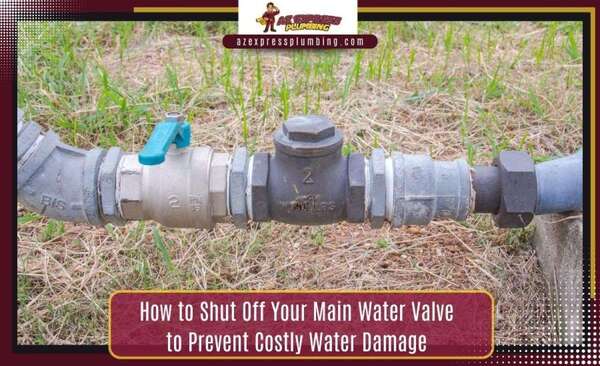
Knowing how to shut off your home's main water valve can save you from severe damage during leaks, pipe failures, or other common plumbing problems. In an emergency, time works against you. A standard half-inch pipe breach can release up to 50 gallons of water per minute, quickly soaking floors, walls, and personal belongings.
Understanding how to act fast helps you limit damage, avoid costly repairs, and stay in control during stressful plumbing situations. The first and most important step is knowing exactly where your main shutoff valve is located and how to use it.
- Why Your Main Water Valve Is So Important
- Where Is The Main Water Shutoff Valve Located?
- Quick Location Reference:
- Identifying and Operating Your Valve Type
- Ball Valves
- Gate Valves
- Shutoff Procedures for Private Well Systems
- Safe Methods for Loosening a Stuck Valve
- How to Drain Your Homeâs Plumbing Lines
- Restoring Water Service and Preventing Water Hammer
- Expert Plumbing Support
- Frequently Asked Questions
- Does shutting off the main water valve affect fire sprinklers?
- How often should I test my main water valve?
- Why do my pipes bang after turning the water back on?
- What is the ideal water pressure for a home?
- Can I shut off water at the street?
- Need a Plumber in San Tan Valley?
- Related San Tan Valley Plumbing Help
Why Your Main Water Valve Is So Important
Your main water valve controls all water flowing into your home. Shutting it off stops water at the source, which can prevent thousands of dollars in damage. Homes with excessive pressure face a higher risk of leaks and sudden pipe failures. According to EPA WaterSense, residential water pressure should stay between 45 and 60 PSI to reduce strain on pipes and fixtures.
Shutting off the main valve helps you:
- Stop active leaks immediately
- Reduce water damage from pipe failures
- Perform plumbing repairs safely
- Protect appliances like water heaters and washing machines

Where Is The Main Water Shutoff Valve Located?
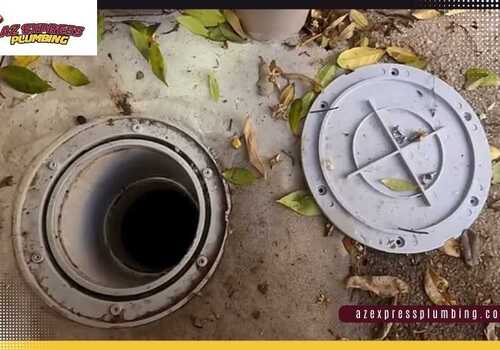
Most homes place the main shutoff valve close to where the main water line enters the structure. Start outside, then move indoors if needed.
Typical Areas to Check:
- Exterior wall near the front hose spigot
- Inside the garage near the water heater
- Basement foundation wall where the pipe enters
- Crawlspace near the front floor joists
- Apartment utility closets or access panels
Quick Location Reference:
| Structure Type | Primary Search Area | Secondary Search Area |
| Slab on grade | Exterior wall near hose spigot | Inside garage or near water heater |
| Basement | Front foundation wall | Mechanical room or near furnace |
| Crawlspace | Where main line enters joists | Under the kitchen sink |
| Apartment | Utility closet or bathroom panel | Near unit water heater |
Once you find the valve, identify the handle type before trying to turn it.

Identifying and Operating Your Valve Type
Main shutoff valves usually fall into one of two categories. Using the correct method prevents damage to the valve and surrounding pipes.
Ball Valves
- Straight lever-style handle
- Valve is open when the handle is parallel to the pipe
- Valve is closed when the handle is perpendicular
- Requires only a quarter turn
Gate Valves
- Round wheel-style handle
- Common in older homes
- Requires several clockwise turns to close fully
- More likely to seize due to mineral buildup
Homes that use private wells need an additional safety step before closing any valves.

Shutoff Procedures for Private Well Systems
If your home relies on a private well, always shut off power to the pump before closing the water valve. This prevents the pump from running dry and overheating.
Follow these steps:
- Locate your main electrical panel
- Turn off the breaker labeled for the well pump
- Close the main valve between the pressure tank and your home
If the valve will not turn easily, do not force it.
Safe Methods for Loosening a Stuck Valve
A stuck valve can break if handled improperly, which may cause even more flooding. Always try gentle methods first.
Safe options include:
- Applying penetrating oil to the valve stem
- Warming the valve body with a hair dryer
- Slightly loosen the packing nut below the handle to reduce friction
Avoid using large wrenches or excessive force. If the valve still will not move, professional service is the safest solution.
If your main water shutoff valve will not turn, the video below shows safe, proven techniques homeowners can use to free a stuck valve without causing damage.
How to Drain Your Home’s Plumbing Lines
Even after shutting off the main valve, water trapped inside the pipes can continue to leak. This step is especially important after pipe bursts or major leaks.
Use this order for effective draining:
- Open the highest faucet in the home to allow air in
- Open the lowest faucet to let water drain out
- Flush all toilets to empty the tanks
- Turn off power or gas to the water heater
This process uses gravity to clear water quickly without stressing the plumbing system.
Restoring Water Service and Preventing Water Hammer
When repairs are complete, restore water service slowly and with care to protect your plumbing system from sudden pressure changes and long-term damage. Opening the valve too fast can send a shockwave through the pipes, loosening joints and damaging fixtures.
- Open the main water valve slowly and only halfway to control the initial flow
- Keep one upper-level faucet open to allow trapped air to escape safely
- Wait until water runs smoothly without sputtering or bursts of air
- Fully open the main valve only after pressure stabilizes
This controlled process helps prevent water hammer and keeps pressure within safe limits. Homes that consistently experience high pressure or loud banging may need a pressure-reducing valve, as outlined by the Building America Solution Center standards.
Expert Plumbing Support
If your valve leaks, breaks, or refuses to operate, professional help can prevent further damage. Az Express Plumbing offers valve replacement, emergency shutoffs, and full plumbing repairs. When time matters most, contacting an emergency plumber in San Tan Valley can help protect your home from serious structural damage.
Frequently Asked Questions
Does shutting off the main water valve affect fire sprinklers?
Yes. Some homes share a combined supply. Look for a tee fitting and shut off only the domestic branch if possible.
How often should I test my main water valve?
Operate it twice a year to prevent mineral buildup. Many homeowners do this when checking smoke alarm batteries.
Why do my pipes bang after turning the water back on?
This is water hammer, caused by trapped air or opening the valve too quickly. Open faucets slowly to release air.
What is the ideal water pressure for a home?
A safe range is 40 to 60 PSI. Pressure above 80 PSI increases the risk of pipe failure and may require a pressure-reducing valve.
Can I shut off water at the street?
Yes. You can use a curb key to turn the customer-side valve in the meter box near the sidewalk. Only turn the valve closest to your home.
Need a Plumber in San Tan Valley?
Knowing your shutoff is step one - our team handles the rest when a leak strikes. Az Express Plumbing provides fast, reliable emergency plumbing throughout San Tan Valley, AZ, with same-day and 24/7 emergency service. Call (480) 771-7519 to schedule with a licensed local plumber today.
Related San Tan Valley Plumbing Help
If shutting off your water revealed a leak, our leak detection and repair team can pinpoint and fix the source before it causes damage. Call (480) 771-7519 for 24/7 service.