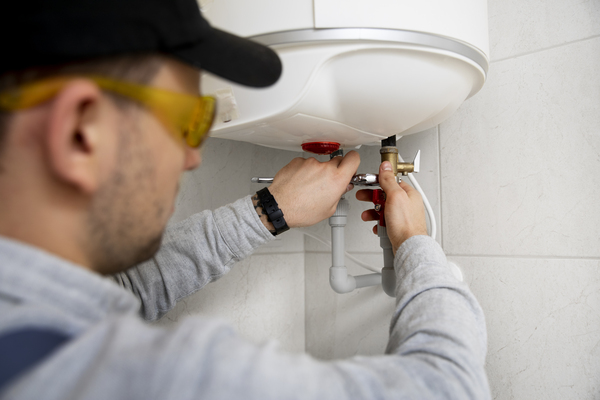
Brown or discolored water is usually caused by rust and sediment – either from a corroding water heater, aging pipes, or disturbed minerals in the municipal supply after nearby work on the water main. In most cases it isn't dangerous, but it's a sign something needs attention, and it can stain laundry and fixtures. Here's how to tell what's causing it and when to call a plumber.
Common Causes of Brown Water
1. A Corroding Water Heater
If the brown water comes only from the hot tap, your water heater is the likely culprit. As the tank ages, rust and sediment build up inside – something our hard water accelerates – and get flushed into your hot water. Flushing the tank can help; a badly corroded tank may need replacement.
2. Rusty or Aging Pipes
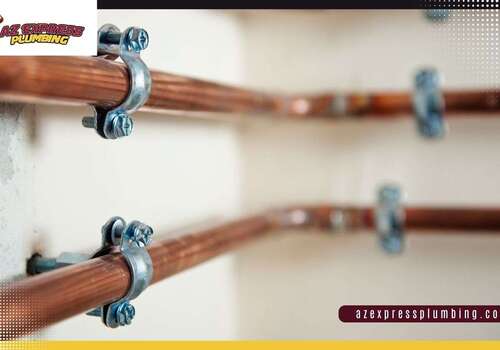
Older galvanized steel pipes corrode from the inside, releasing rust into both hot and cold water. If discoloration shows up at multiple fixtures and comes and goes, aging pipes may be to blame – a common issue in older San Tan Valley homes.
3. Disturbed Municipal Supply
If the whole house suddenly has brown water – and neighbors do too – it's often from work on the city main, a hydrant flush, or a water-main break stirring up settled minerals. This usually clears on its own within a few hours.
4. A Disturbed Water Heater or Sediment After an Outage
Sometimes a pressure change or a heavy draw stirs up sediment that had settled in the tank or lines, causing temporary discoloration that clears after running the water.
Hot Water, Cold Water, or Both? How to Diagnose It
- Only hot water is brown: the water heater is the likely source.
- Only cold water is brown: more likely the municipal supply or the incoming line.
- Both hot and cold are brown: often aging pipes or a supply-side issue.
- It clears after running the tap a few minutes: usually temporary sediment – keep an eye on it.
- It persists or keeps returning: time to call a plumber to find the source.
Is Brown Water Safe?
Rust-discolored water is generally not a health emergency, but you should avoid drinking it or doing laundry with it (it can stain), and it shouldn't be ignored – persistent discoloration points to corrosion that will only get worse. If the water is discolored and has a strange smell or you notice it alongside a drop in pressure, have it checked promptly.
What You Can Do Right Now
- Run the cold tap for a few minutes to see if it clears (a supply-side stir usually does).
- Check whether it's only hot, only cold, or both – this points to the source.
- Ask a neighbor if they have it too (points to the city supply).
- Avoid running laundry until the water runs clear to prevent stains.
- If it doesn't clear or keeps coming back, call a plumber to inspect your water heater and pipes.
Brown Water FAQ
Why is only my hot water brown?
That almost always points to the water heater. Rust and sediment inside an aging tank get flushed into the hot side. Flushing the tank may fix it; a heavily corroded tank likely needs replacement.
Will brown water go away on its own?
If it's from a temporary supply-side disturbance (a main flush or repair), it usually clears within a few hours of running the water. If it keeps returning, the cause is inside your home and needs attention.
Can hard water cause discoloration?
Indirectly, yes – our hard water speeds up the sediment and corrosion inside water heaters and pipes that lead to brown water. A water softener helps slow that process.
Get to the Bottom of Discolored Water in San Tan Valley
If your water is brown and won't clear – especially from the hot tap – it's worth having your water heater and pipes inspected before the problem grows. Az Express Plumbing can pinpoint the cause and fix it fast. See our water heater repair & installation services, or call (480) 771-7519 today.