A water heater that pops, rumbles, or bangs is almost always caused by sediment buildup at the bottom of the tank. Minerals from hard water settle and harden over time, trapping water underneath that boils and bubbles through the layer – creating the popping and rumbling sounds you hear. In San Tan Valley, where the water is especially hard, this happens faster than average. The good news: the noise is usually fixable, and catching it early can add years to your water heater's life.
What the Different Water Heater Noises Mean
Popping or Crackling
The most common sound. Water trapped under a layer of hardened sediment boils and forces its way up, popping like water on a hot pan. It signals sediment that should be flushed out before it makes the tank work harder.
Rumbling or Banging
A deeper rumble usually means a heavier sediment layer shifting as water moves through it. It is a sign the buildup has become significant and the tank is overheating spots along the bottom.
Sizzling or Hissing
This can indicate condensation dripping onto the burner – or, more seriously, a leak. If you see any water around the base of the tank along with a hissing sound, shut off the unit and call a plumber.
Ticking or Tapping
Often harmless – usually the heat traps or pipes expanding and contracting as water temperature changes. If it is new or getting louder, it is worth a quick check.
Screeching or Whistling
Typically a valve that is not fully open or is restricting flow, such as the inlet valve or temperature-and-pressure relief valve. This one should be inspected promptly.
Why Sediment Is Worse in San Tan Valley
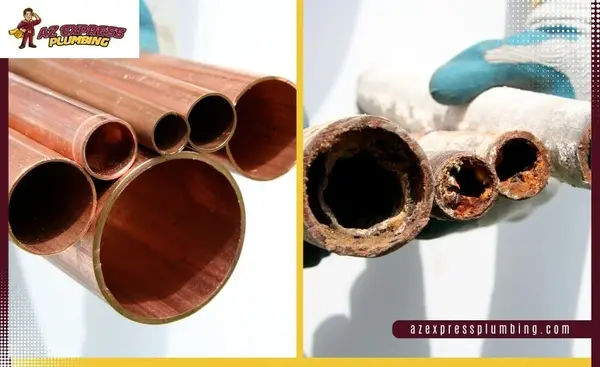
Arizona has some of the hardest water in the country, and San Tan Valley is no exception. Hard water carries a high concentration of dissolved minerals like calcium and magnesium. Every time your heater warms that water, some of those minerals drop out and settle at the bottom of the tank. Over months and years the layer thickens, which is exactly why local water heaters tend to get noisy – and wear out – sooner than the manufacturer's estimate. It is one of the most common water-heater complaints we hear from local homeowners.
Why You Should Not Ignore the Noise
The sound itself will not flood your home, but what causes it will shorten your water heater's life. A thick sediment layer forces the burner or element to work harder and run hotter to heat the water above it. That extra strain:
- Raises your energy bills as efficiency drops.
- Overheats the tank bottom, weakening the steel and the glass lining.
- Reduces your hot-water supply as sediment takes up space.
- Leads to premature tank failure – and eventually a leak.
In short, a noisy heater is your early warning. Addressing it now is far cheaper than replacing a tank that failed early.
How to Fix a Noisy Water Heater
Flush the Tank
The primary fix is draining and flushing the tank to remove the sediment. Done correctly, this often quiets the heater and restores efficiency. For heavily scaled tanks, a deeper descaling may be needed. Because it involves hot water, gas or electrical components, and the pressure relief valve, many homeowners prefer to have it done professionally and safely.
Check the Heating Elements or Burner
On electric units, sediment can crust over the heating elements and cause noise; those elements may need cleaning or replacement. On gas units, we inspect the burner and flue as part of the service.
Prevent It From Coming Back
Flushing the tank once a year keeps sediment from building up, and installing a water softener dramatically slows the process by removing the minerals before they ever reach the tank – a smart investment in our hard-water area.
When to Call a Professional
If flushing does not quiet the tank, you see water around the base, the noise is a hissing or screeching, or your unit is more than 8–12 years old, it is time for a professional assessment. We will determine whether a flush, a part replacement, or a full replacement is the right call – and give you honest, upfront pricing either way.
Is a Noisy Water Heater Dangerous?
In most cases the popping and rumbling itself is not dangerous – it is a warning sign, not an immediate hazard. However, the underlying sediment problem can lead to overheating, tank stress, and eventually a leak or failure if left unaddressed for years. Certain sounds do deserve prompt attention: a hissing or sizzling noise combined with water at the base of the tank can indicate a leak, and a screeching sound may point to a pressure or valve issue. When in doubt, it is always safest to have the unit inspected rather than guess.
Water Heater Noise FAQ
Will flushing my water heater stop the noise?
Usually, yes – if sediment is the cause (which it most often is), draining and flushing the tank removes the buildup and typically quiets the heater while restoring efficiency. Heavily scaled tanks may need a deeper descaling, and very old tanks that have already been damaged by long-term buildup may not fully quiet down.
How often should I flush my water heater in San Tan Valley?
Because of our hard water, once a year is a good rule of thumb – more often if your water is especially hard or your household uses a lot of hot water. Regular flushing is the single best way to prevent noise and extend the tank's life.
Can I flush the water heater myself?
Some handy homeowners do, but it involves draining very hot water and working around gas or electrical components and the pressure relief valve. If you are not comfortable with that, or the noise continues after a flush, it is best to have a professional handle it safely and check for other issues at the same time.
Quiet, Efficient Hot Water in San Tan Valley
Don't let a noisy water heater turn into an early replacement. Az Express Plumbing provides expert water heater flushing, repair, and installation throughout San Tan Valley – including same-day and 24/7 service. Learn more on our water heater repair & installation page, or call (480) 771-7519 to have your unit checked today.