

The main types of plumbing pipes used in residential properties include PEX, copper, CPVC, PVC, and cast iron. Selecting the correct pipe material determines the lifespan, water pressure, and safety of your home plumbing system. Choosing the wrong material often results in hidden leaks, structural water damage, and costly pipe replacements. Many property owners only notice these errors when severe common plumbing issues surface behind drywall or under concrete slabs.
Mismatched materials cause rapid corrosion and joint failure. Installing the proper pipes early mitigates these risks and keeps your plumbing infrastructure secure. Learn which piping materials perform reliably and transport your water safely.
- What Are the Best in Class Plumbing Materials
- When Do You Follow Local Plumbing Codes and Standards
- How Do You Choose the Right Drainage Pipes
- Which Outdated Pipes Pose Hidden Hazards
- How Do You Upgrade Your Home Plumbing Safely
- Frequently Asked Questions
- Are permits legally required for plumbing replacement?
- What is the best pipe for hard water?
- How long do copper plumbing pipes last?
- Can I mix different piping materials?
- Why do plastic pipes become brittle?
- Need a Plumber in San Tan Valley?
What Are the Best in Class Plumbing Materials
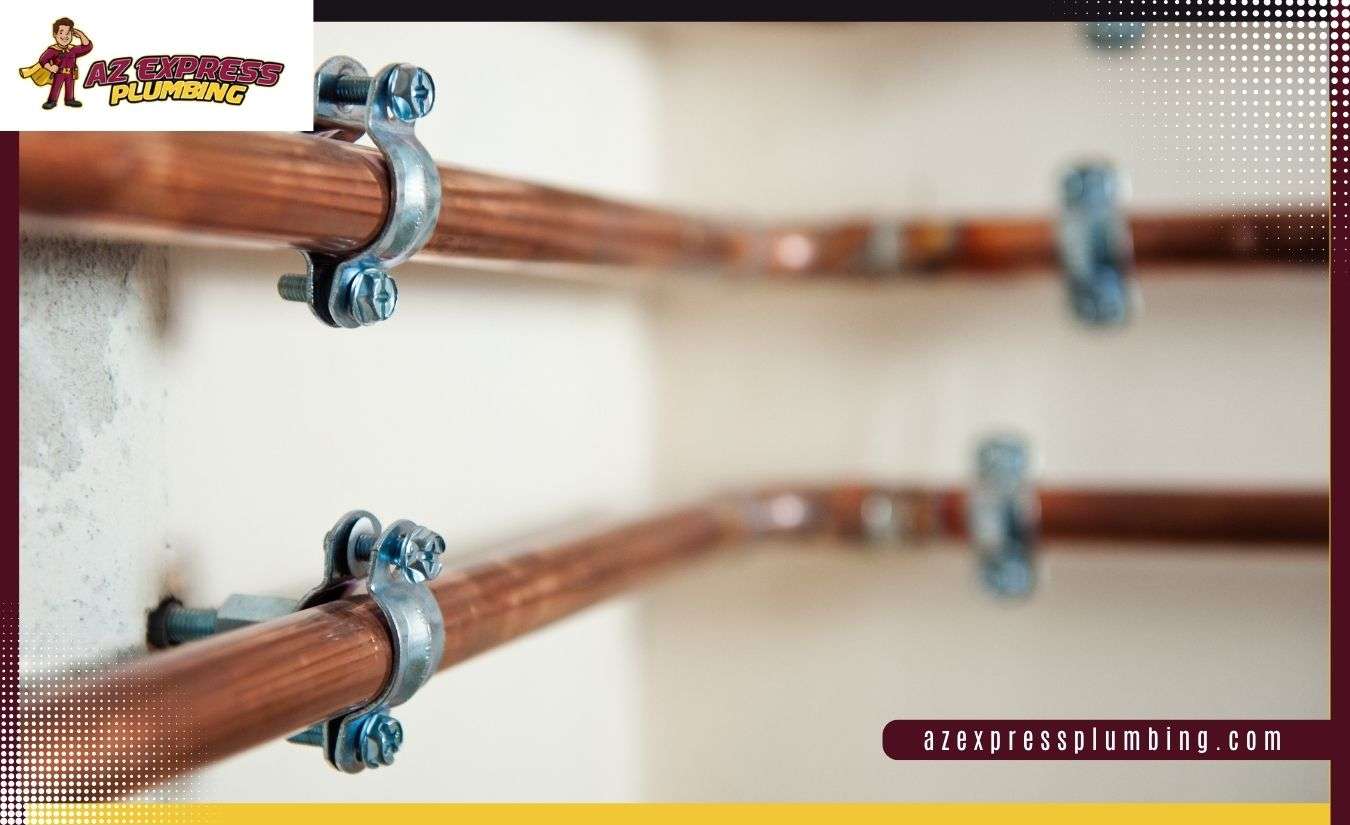
Modern plumbing systems require materials that resist internal mineral buildup and withstand extreme temperature variations. Installing high-quality pipes prevents early degradation and protects your property.
- PEX (Cross-Linked Polyethylene): This flexible plastic tubing is the standard for new residential water lines. It expands to resist freezing and handles high mineral content found in hard water without scaling.
- Copper: Plumbers specify this rigid metal for exposed utility lines and direct water heater connections. It naturally inhibits bacterial growth and maintains structural integrity under high temperatures.
- CPVC (Chlorinated Polyvinyl Chloride): This rigid plastic carries both hot and cold potable water. It resists hard-water corrosion completely but risks becoming brittle if exposed to excessive ambient heat in unconditioned attics.
When Do You Follow Local Plumbing Codes and Standards
Municipal plumbing codes strictly regulate approved materials and pipe diameters to ensure safe water pressure and hygienic drainage. Compliance prevents system failures and guarantees your property passes municipal inspections.
The International Plumbing Code dictates the baseline safety standards for material selection in the United States. Your local building department may enforce additional restrictions regarding pipe insulation and specific plastic usage.
Always verify regulations before modifying a main sewer line or replacing your domestic water supply. Major plumbing modifications require a municipal permit to certify safety and mechanical compliance.
How Do You Choose the Right Drainage Pipes
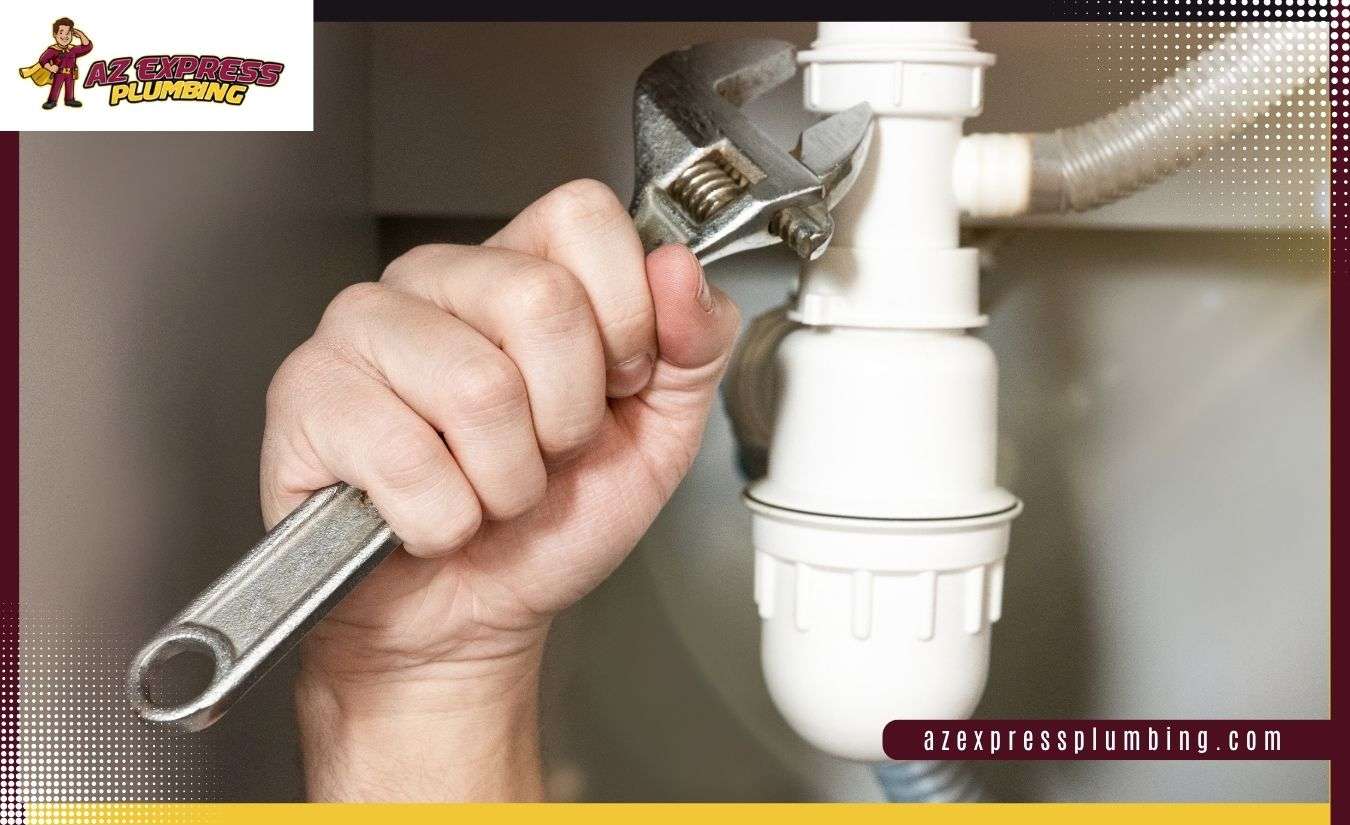
Wastewater removal relies on gravity rather than positive pressure. Installing the correct drainage pipes ensures toxic sewer gases and wastewater exit your property safely.
| Drainage Pipe Material | Primary Home Application | Key Performance Characteristics |
| PVC (Polyvinyl Chloride) | Main drain lines and sewer gas venting | Resists chemical corrosion and remains the industry standard for modern residential drainage. |
| ABS (Acrylonitrile Butadiene Styrene) | Underground residential wastewater systems | Offers high impact resistance but faces restrictions in some jurisdictions due to lower heat tolerance. |
| Cast Iron | Main vertical sewer stacks in older properties | Dampens acoustic noise from flowing water but corrodes internally over decades of use. |
Which Outdated Pipes Pose Hidden Hazards
Historic homes frequently contain obsolete piping that deteriorates and ruptures. Removing these compromised materials protects your structure from water intrusion and toxic mold.
- Galvanized Steel: These heavy metal pipes accumulate severe internal rust over time, drastically reducing water volume. Replacing them ensures your water supply meets current drinking water safety guidelines and eliminates heavy metal exposure.
- Polybutylene: These grey plastic pipes react chemically with municipal water chlorine, causing the material to flake and shatter. Extract these pipes immediately to prevent catastrophic flooding.
How Do You Upgrade Your Home Plumbing Safely
Installing the correct pipes secures your home against low water pressure and unexpected leaks. A certified inspection verifies your system functions safely and meets modern building codes. If you need a professional assessment, a qualified plumber in San Tan Valley can evaluate your current pipe conditions and recommend the exact materials required for your layout.
Az Express Plumbing is a full-service plumbing company in San Tan Valley AZ, specializing in emergency repairs, drain cleaning, and water heater services for local homeowners.
Frequently Asked Questions
Are permits legally required for plumbing replacement?
Yes. Modifying your main plumbing lines requires an approved permit from your local building authority. Skipping this step leads to fines and complicates future real estate transactions.
What is the best pipe for hard water?
PEX tubing handles hard water best. The flexible plastic repels calcium and magnesium buildup, maintaining consistent internal water flow.
How long do copper plumbing pipes last?
Commercial-grade copper pipes remain functional for 50 years or more. Highly acidic water or improper soldering techniques will reduce this expected lifespan.
Can I mix different piping materials?
Yes, but you must use specialized dielectric unions or transition fittings. Direct contact between incompatible metals causes galvanic corrosion and rapid joint failure.
Why do plastic pipes become brittle?
Ultraviolet radiation and extreme ambient temperatures degrade the chemical bonds in plastic pipes. You must insulate exposed plastic lines to preserve their structural strength.
Need a Plumber in San Tan Valley?
Planning a repipe or replacing old pipes? Our team can help you choose the right materials. Az Express Plumbing provides fast, reliable water heater & repiping services throughout San Tan Valley, AZ, with same-day and 24/7 emergency service. Call (480) 771-7519 to schedule with a licensed local plumber today.

Recent Posts

How to Lower Your Water Bill in San Tan Valley
Oct 05, 2026
What Causes Sewer Smell in San Tan Valley Homes?
Oct 05, 2026


