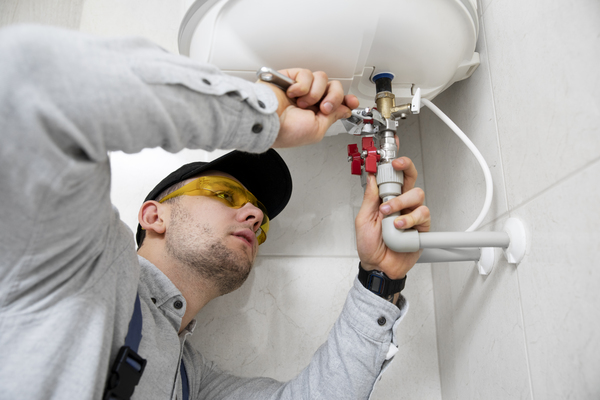
Replacing a water heater is one of the bigger plumbing decisions a homeowner makes, and here in the Valley it comes with an extra question: should you stick with a traditional tank or upgrade to a tankless unit? Both can be a great choice, but the right one depends on your household size, your hot-water habits, and your budget. This guide breaks down the real differences so you can make a confident decision about water heater installation in San Tan Valley.
Tank vs. Tankless: The Basic Difference
A traditional storage tank water heater keeps 40 to 80 gallons of water hot and ready around the clock. When you turn on a hot tap, heated water is drawn from the top of the tank while cold water flows in to be heated for later. It is simple, proven technology.
A tankless water heater (also called an on-demand unit) heats water only when you need it. Cold water passes through a powerful heat exchanger that warms it instantly as it flows to your faucet, so there is no stored tank of hot water sitting in your garage or closet.
How a Tankless Water Heater Works
When you open a hot-water tap, a flow sensor in the tankless unit activates a gas burner or electric element. The heat exchanger raises the water temperature to your setting on the fly and keeps delivering hot water for as long as the tap is running. Because it never stops to reheat a tank, a properly sized tankless unit can supply endless hot water for back-to-back showers.
Pros and Cons of a Tankless Water Heater
Advantages:
- Endless hot water for the household – no more running out mid-shower.
- Energy savings because there is no standby heat loss from keeping a tank hot 24/7.
- Space savings – a wall-mounted unit frees up floor space in the garage or closet.
- Longer lifespan – tankless units often last 20 years or more, roughly double a tank.
Trade-offs:
- Higher upfront equipment and installation cost.
- Limited simultaneous flow – a single unit can be stretched if several showers and appliances run at once, so sizing matters.
- In hard-water areas, the heat exchanger needs periodic descaling to stay efficient.
Pros and Cons of a Traditional Tank Water Heater
Advantages:
- Lower upfront cost to buy and install.
- Simple, familiar technology that most plumbers can service quickly.
- Delivers a large burst of hot water to several fixtures at once with no sizing gymnastics.
Trade-offs:
- You can run out of hot water and then wait for the tank to recover.
- Standby heat loss wastes some energy keeping the tank hot when no one is using it.
- Shorter lifespan – typically 8 to 12 years.
- Takes up more physical space.
Cost Comparison for San Tan Valley Homeowners
A traditional tank water heater is cheaper to install upfront, which is why it remains the most common choice. A tankless unit costs more initially – both for the equipment and because installation may involve upsizing a gas line or adding dedicated electrical – but it can pay some of that back through lower monthly energy use and a much longer service life.
The smartest way to compare is total cost of ownership, not just the sticker price. If you plan to stay in your home for many years, a tankless unit's efficiency and longevity often make the math work. If you need an affordable, dependable replacement today, a modern high-efficiency tank is hard to beat. During any water heater installation in San Tan Valley, we give you clear, upfront pricing on both options so there are no surprises.
Don't Forget San Tan Valley's Hard Water
Arizona is known for hard water, and the minerals it carries build up as scale inside any water heater. In a tank, that shows up as sediment on the bottom that reduces efficiency and shortens the unit's life. In a tankless unit, scale collects in the heat exchanger and must be flushed periodically to keep performance up. Whichever type you choose, pairing it with a water softener or a routine flush schedule protects your investment. Ask us about maintenance plans when we install your unit.
Which Water Heater Is Right for Your Home?
Here is a simple way to think about it:
- Choose tankless if you want long-term energy savings, endless hot water, plan to stay in your home for years, or need to reclaim space.
- Choose a tank if you want the lowest upfront cost, have a large simultaneous demand, or are replacing a failed unit quickly on a budget.
There is no universally "best" water heater – only the best fit for your home, your family's hot-water demand, and your budget. The most important factor is proper sizing and professional installation, because even the finest unit underperforms if it is undersized or installed incorrectly.
How Long Does Water Heater Installation Take?
A straightforward tank-for-tank replacement usually takes two to three hours once our plumber arrives. We drain and disconnect the old unit, set and level the new one, connect the water, gas or electric, and venting, then fill, test, and confirm everything is working safely before we leave. Switching from a tank to a tankless system takes longer – often four to six hours – because it may involve mounting the new unit, running new venting, and upgrading the gas line or adding electrical capacity to meet the unit's demand. When you call for an estimate, we will give you a realistic time window for your specific home so you can plan your day.
Signs It's Time to Replace Your Water Heater
Whether you lean tank or tankless, knowing when to replace helps you avoid a cold-shower emergency. Watch for these warning signs:
- Age: A tank water heater past 8 to 12 years is living on borrowed time, even if it still works.
- Rusty or discolored hot water, which points to corrosion inside the tank.
- Rumbling or popping noises from sediment hardening on the bottom of the tank – common with San Tan Valley's hard water.
- Water pooling around the base of the unit, a sign the tank may be failing.
- Running out of hot water faster than it used to, or inconsistent temperatures.
Catching these early lets you plan a replacement on your terms and choose the right system, rather than scrambling when the old one quits.
Tank vs. Tankless Water Heater FAQ
Does a tankless water heater really save money?
Over its lifetime, usually yes. A tankless unit avoids the standby energy loss of keeping a full tank hot around the clock and lasts far longer, so lower monthly energy use and fewer replacements help offset the higher upfront cost – especially in a home you plan to keep for many years.
Can a tankless water heater supply my whole house?
A properly sized unit can, but the key word is sized. If your household runs multiple showers plus a dishwasher or washing machine at the same time, you may need a larger unit or more than one. We calculate your peak demand before recommending a model so you are never left short.
How often should a water heater be serviced in San Tan Valley?
Because of our hard water, we recommend an annual service – flushing sediment from a tank or descaling a tankless heat exchanger – to protect efficiency and extend the unit's life. We can set you up with a simple maintenance schedule at the time of installation.
Get Expert Water Heater Installation in San Tan Valley
Az Express Plumbing installs and services both tank and tankless water heaters throughout San Tan Valley, AZ. We will assess your household's hot-water needs, walk you through your options with honest, upfront pricing, and handle a clean, code-compliant installation – often the same day. If your old unit has failed, we also offer 24/7 emergency service. Call us at (480) 771-7519 to schedule your water heater installation or repair today.