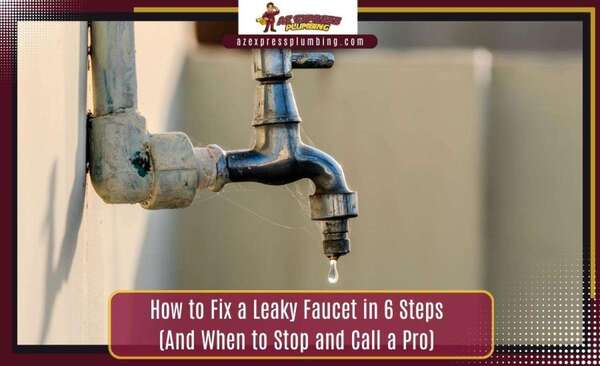
A dripping sink wastes water and drives up your utility bill, and if you need to know how to fix a leaky faucet, the short answer is to shut off the water, remove the handle, and swap out the faulty internal cartridge or washer. This is a practical DIY project that requires basic tools, but you must also learn when to stop and call a plumber to prevent accidental water damage. In this guide, we break down the causes, symptoms, and exact steps to get your plumbing back in working order.
What Are the Common Causes of a Leaky Faucet?
Faucets endure a lot of daily wear and tear that eventually degrades their internal mechanisms. The most frequent culprits behind that persistent drip come down to a few standard part failures:
- Worn Cartridges: Modern sinks use a plastic or brass cartridge that controls water flow and can eventually crack or wear out over time.
- Corroded Valve Seats: In some compression-style faucets, the valve seat provides a sealing surface for the washer. Corrosion, wear, or mineral buildup can damage this surface and contribute to persistent dripping.
- Degraded O-rings: These small rubber circles create watertight seals around the base and will dry out or break after years of use.
- Deteriorated Washers: Older compression models rely on rubber washers that get repeatedly smashed against the valve seat until they fail.
Symptoms of a Leaky Faucet
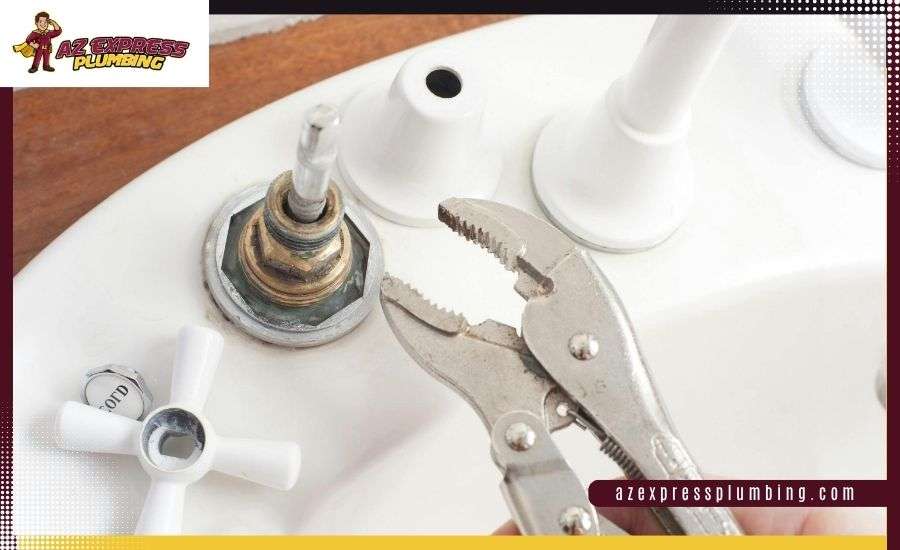
Identifying the exact type of leak helps you buy the correct replacement parts before you start taking things apart. You can usually pinpoint the internal problem by observing where and how the water escapes:
- Spout Drips: Water steadily dripping from the spout's end indicates a failed cartridge or a faulty rubber washer.
- Base Puddles: Water pooling around the bottom of the handle when you turn it on points to a broken O-ring.
- Under-Sink Moisture: Dampness inside your vanity cabinet means a supply line connection is loose or the internal valve body is cracked.
- Squeaky Handles: A handle that resists turning or makes noise may indicate mineral buildup, worn internal parts, or components that need proper lubrication.
- Irregular Water Pressure: What seems like a sudden drop in pressure at one faucet may actually be reduced water flow caused by debris or mineral buildup in the aerator, cartridge, or valve.
- Splattering Spray Patterns: Mineral deposits from a slow leak can clog the aerator and cause water to shoot out in unpredictable directions.
- Thumping Noises: A vibrating or thumping sound when you turn the water on indicates a loose internal washer is flapping against the metal housing.
- Rust or Mineral Stains: Discolored rings around your sink drain or handle base are clear indicators that a slow leak has been present for a long time.
How to Fix a Leaky Faucet in 6 Steps (DIY)
Executing this repair requires a methodical approach to ensure you do not cause accidental water damage. Follow this exact sequence to safely disassemble your fixture and install the new parts:
- Shut Off the Water: Locate the valves under the sink and turn them clockwise until they stop to cut the water supply.
- Remove the Faucet Handle: Pop off the decorative cap and unscrew the hidden fastener to lift the handle away.
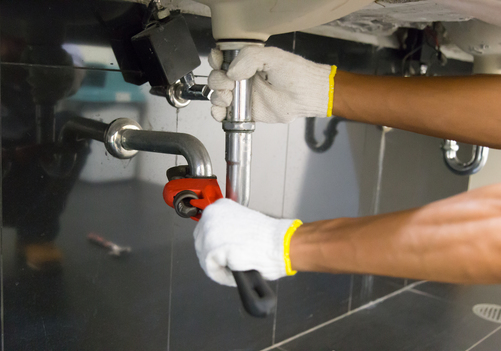
- Access the Internal Parts: Use an adjustable wrench to loosen the retaining nut and pull the internal cartridge or stem straight out.
- Replace Worn Parts: Take the broken mechanism to a local hardware store to buy an exact manufacturer match and swap it out.
- Reassemble the Faucet: Insert the new part into the housing, tighten the retaining nut securely, and reattach the handle.
- Test the Flow: Slowly turn the water valves back on and observe the fixture to ensure there are no more leaks.
When to Stop and Call a Professional Plumber
Basic repairs are safe to try yourself, but certain situations require licensed expertise to avoid disastrous flooding. You should immediately hand the job over to a professional if you run into any of these specific roadblocks:
- Seized Shutoff Valves: If the water valves under your sink will not turn by hand, trying to force them with a wrench can break the pipe inside your wall.
- Hidden Leaks: Water damage penetrating your drywall or floorboards requires professional mitigation to prevent structural rot and mold growth.
- Pitted Valve Seats: If replacing a worn washer does not stop the leak, the valve seat or another internal component may be damaged. A plumber can inspect the faucet and determine whether the affected part can be repaired or needs replacement.
- Complex Smart Fixtures: Touchless or voice-activated faucets contain electronic components that can be damaged during improper repairs. Check the manufacturer's warranty and service instructions before taking the fixture apart.
Stop the Drip From Your Leaky Faucet for Good
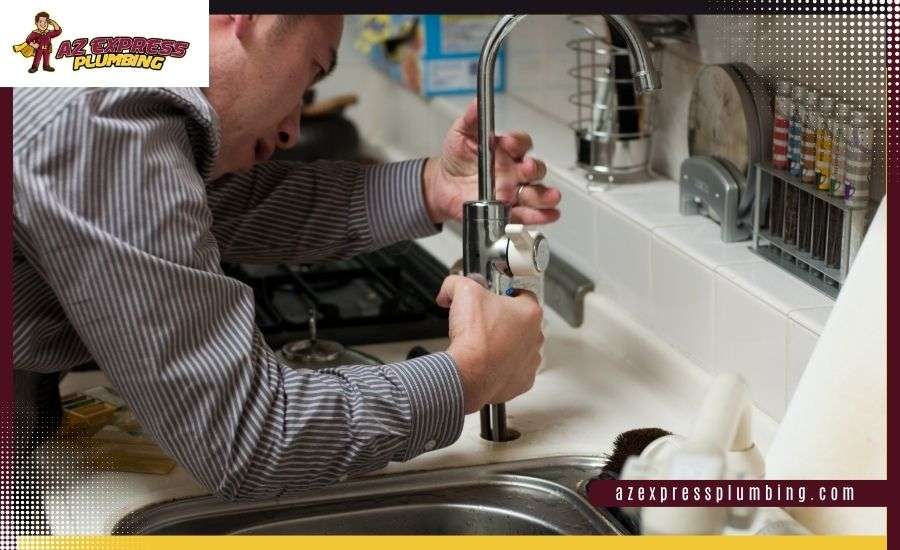
Repairing a plumbing fixture on your own saves you the cost of a service call and gives you confidence in maintaining your home. By taking the time to diagnose the symptoms and carefully replacing the faulty internal components, you extend the lifespan of your sink while conserving hundreds of gallons of water.
Just remember that knowing when to step back and call a licensed expert is equally as important as knowing how to wield a wrench. If you hit a roadblock during your repair, we at Az Express Plumbing Of San Tan Valley are ready to take over. Call us today to schedule an inspection and get your leak fixed by a professional San Tan Valley plumber.
Az Express Plumbing Of San Tan Valley is a full-service plumbing company in San Tan Valley AZ, specializing in emergency repairs, drain cleaning, and water heater services for local homeowners.
Frequently Asked Questions
Why is my faucet still dripping after I turned it off?
If water continues to drip after you shut off the handle, the internal seals have failed. This means the cartridge, rubber washers, or O-rings are cracked or worn out, and you need to replace them to create a watertight seal.
How much water does a leaky faucet waste?
A faucet dripping just one drop per second wastes over 3,000 gallons of water per year. Fixing the leak promptly conserves water and prevents an unnecessary spike in your monthly utility bill.
Can I fix a leaky faucet myself?
Yes, most homeowners can fix a standard leaky faucet by shutting off the water, removing the handle, and replacing the faulty internal cartridge or washer. It is a straightforward project if you have the right replacement parts and basic tools.
What tools do I need to fix a dripping faucet?
You typically need an adjustable wrench, a flathead screwdriver, and a Phillips head screwdriver or Allen wrench to remove the handle. You will also need the exact manufacturer replacement parts for your specific fixture.
When should I call a plumber for a leaky faucet?
You should call a professional plumber if the under-sink shutoff valves are stuck, the leak originates behind the wall, or your fixture is a complex smart faucet. A licensed expert will prevent accidental flooding and ensure the repair is done safely.
Need a Plumber in San Tan Valley?
A dripping faucet only gets worse - and more expensive - the longer you wait. Az Express Plumbing provides fast, reliable faucet repair throughout San Tan Valley, AZ, with same-day and 24/7 emergency service. Call (480) 771-7519 to schedule with a licensed local plumber today.