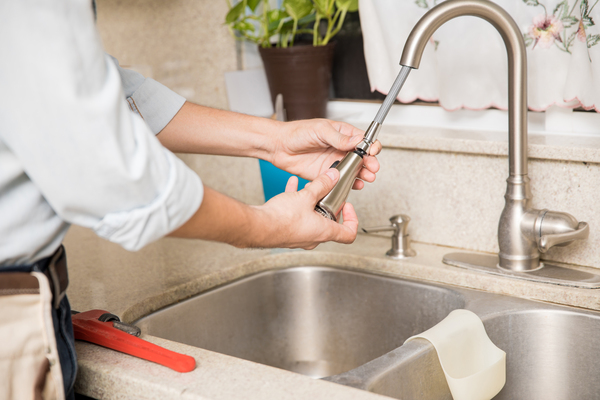
A hidden water leak is one of the most expensive problems a San Tan Valley homeowner can face – precisely because it stays hidden. Behind a wall, under a slab, or beneath the yard, a slow leak can waste thousands of gallons and quietly rot framing, ruin drywall, and feed mold for months before you ever see a drip. The good news: hidden leaks almost always leave clues. Knowing how to spot them early can save you from a major repair bill and protect your home. Here is how to detect a hidden water leak before it does real damage.
Why Hidden Leaks Are So Common in San Tan Valley
Our part of Arizona puts unique stress on home plumbing. Hard, mineral-heavy water gradually corrodes pipes and water heaters from the inside. Extreme summer heat and shifting, expansive soil cause slab and underground lines to move and crack. And because so much plumbing runs through slab foundations here, a leak often has nowhere to go but into the concrete and up through your floors. That combination makes proactive leak detection especially valuable for local homeowners.
1. Watch Your Water Bill
Your water bill is the single best early-warning system you have. If your usage climbs from one month to the next without any change in your habits – no guests, no new landscaping, no filled pool – a hidden leak is the most likely explanation. Compare the same month year-over-year when you can, since seasonal irrigation changes usage too. A sudden, unexplained jump is a clear signal to investigate.
2. Use the Water Meter Test
This simple test can confirm a leak in about an hour and costs nothing:
- Turn off every water fixture and appliance in the home – faucets, ice maker, washer, irrigation, everything.
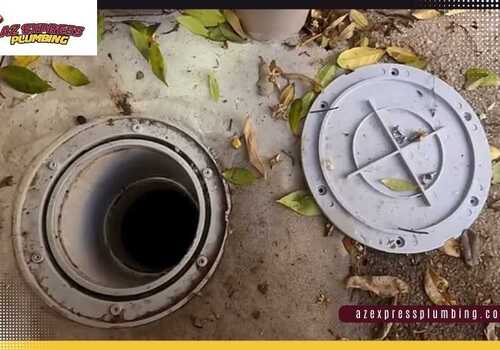
- Find your water meter (usually near the street in an in-ground box) and note the exact reading or the position of the leak-indicator dial.
- Wait one to two hours without using any water.
- Check the meter again. If the reading has changed or the dial moved, water is flowing somewhere it shouldn't – you have a leak.
If the meter moves even with everything off, it is time to locate the source or call a professional for leak detection.
3. Listen and Look for the Subtle Signs
Hidden leaks reveal themselves in small ways long before a pipe fails outright. Watch for:
- The sound of running water when nothing is turned on.
- Warm spots on the floor, which can indicate a hot-water slab leak.
- Damp, discolored, or bubbling drywall, paint, or ceilings.
- A musty, mildewy smell in a room, cabinet, or closet.
- Mold or mildew appearing on walls or baseboards.
- Cracked tile or a shifting, spongy floor over a slab.
4. Check the Usual Problem Spots
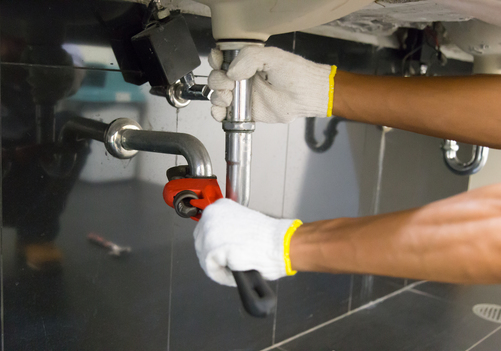
Many leaks start in predictable places. Periodically inspect under sinks for moisture or corrosion, around the base of toilets for rocking or dampness, and around your water heater for rust and pooling. Outdoors, look for unusually green or soggy patches in the yard, which can point to an irrigation or main-line leak underground.
5. The Toilet Dye Test
Toilets are a leading source of silent water waste. A flapper that no longer seals lets water trickle from the tank to the bowl continuously. To check, put a few drops of food coloring in the tank and wait 15 minutes without flushing. If color appears in the bowl, the toilet is leaking – usually an easy, inexpensive flapper fix that can save a surprising amount of water.
How Professionals Find Hidden Leaks
When a leak is inside a wall or under the slab, guessing means tearing out drywall or concrete in the wrong place. Professional leak detection in San Tan Valley uses non-invasive tools to pinpoint the exact spot first: acoustic listening equipment that hears water escaping under pressure, thermal imaging cameras that reveal temperature differences from hot-water leaks, and pressure testing that isolates which line is failing. Finding the leak precisely means a smaller, faster, cheaper repair – and far less damage to your home.
Why Acting Early Saves Money
A hidden leak never fixes itself – it only grows. What starts as a slow seep can escalate into rotted framing, a mold remediation project, ruined flooring, and a foundation issue, all of which cost far more than the original repair. Catching a leak in its early stages, while it is still a small fix, is one of the highest-value things you can do for your home and your water bill.
Hidden Water Leak FAQ
Can a hidden leak really raise my water bill that much?
Yes. Even a pinhole leak or a running toilet can waste hundreds or thousands of gallons a month. An unexplained spike in your bill is one of the most reliable indicators of a hidden leak.
How do I know if it's a slab leak?
Common slab-leak signs include warm spots on the floor, the sound of running water under the foundation, cracked flooring, and an unexplained bill increase. A professional can confirm it with acoustic and thermal equipment before any concrete is touched.
Should I try to find the leak myself or call a plumber?
The water-meter and toilet-dye tests are great DIY first steps. But if those confirm a leak you can't see – especially inside a wall or under the slab – professional leak detection saves you from cutting into the wrong spot and turns a guess into a targeted repair.
What Causes Hidden Leaks in the First Place?
Understanding the common causes helps you know where to watch. In San Tan Valley homes, hidden leaks most often trace back to:
- Corrosion from hard water: Arizona's mineral-heavy water scales up and eats away at pipe interiors and water-heater tanks over the years.
- High water pressure: Pressure above about 80 psi stresses joints, fittings, and appliance connections until they seep or burst.
- Slab movement: Expansive desert soil and heat cause the foundation to shift, cracking the rigid lines routed through it.
- Aging fittings and seals: Rubber washers, supply-line hoses, and pipe joints simply wear out and begin to weep.
- Poor prior workmanship: A joint that was never sealed correctly can leak slowly for years before it's noticed.
How to Reduce Your Risk of Future Leaks
You can't prevent every leak, but a few habits meaningfully lower your odds and limit the damage when one does occur:
- Know where your main shutoff is so you can stop the water instantly if a leak turns serious.
- Have your water pressure checked; if it's too high, a pressure-reducing valve protects your whole system.
- Consider a water softener to slow the hard-water corrosion that shortens pipe and water-heater life here.
- Replace old braided supply lines to faucets, toilets, and the washing machine every several years.
- Schedule periodic plumbing inspections, especially in older homes or if you've had leaks before.
A quick annual check is far cheaper than a slab repair, and it catches small problems while they're still small.
Don't Ignore the Warning Signs
The homeowners who avoid major water-damage bills are the ones who act on the first clue – the unexpectedly high bill, the faint sound of running water, the small damp patch that keeps coming back. If something seems off, trust it and investigate. A hidden leak caught this week is a minor repair; the same leak six months from now can mean new flooring, drywall, and mold remediation.
Concerned About a Hidden Leak? We Can Help
If your water bill jumped, your meter is moving, or you're seeing damp spots you can't explain, don't wait for the damage to spread. Az Express Plumbing provides expert leak detection and repair throughout San Tan Valley, AZ, using non-invasive tools to find the problem fast and fix it right. Call us at (480) 771-7519 to schedule leak detection today.