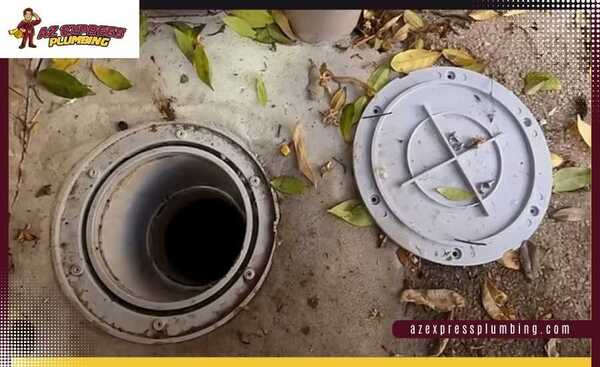
Your sewer line is one of the hardest-working parts of your home's plumbing, and also one of the easiest to ignore – until something goes wrong. Because the main line runs underground, problems tend to stay hidden until they become messy, expensive, and disruptive. The good news is that a failing sewer line almost always gives you warning signs first. Knowing what to watch for helps you call for sewer line repair in San Tan Valley before a small issue becomes a backed-up disaster.
1. Multiple Drains Are Slow or Clogged at Once
A single slow drain usually means a local clog. But when several fixtures – your toilet, tub, and sink – all drain slowly at the same time, the problem is likely in the main sewer line that serves them all. This is one of the clearest early signs of a developing sewer-line blockage, and it is worth acting on quickly before it turns into a full backup.
2. Sewage Smells Inside or Outside Your Home
A properly working sewer system is completely sealed and airtight. If you notice a persistent rotten-egg or raw-sewage odor in your home, near floor drains, or in the yard over the sewer line, it points to a crack, break, or blockage allowing sewer gas to escape. That smell is not just unpleasant – it is a signal the line needs to be inspected right away.
3. Gurgling Sounds From Toilets and Drains
Strange gurgling or bubbling noises when you flush the toilet or drain the sink mean air is trapped in the line and escaping back through your fixtures. It often shows up alongside slow drainage and is an early hint that your main line is partially obstructed – frequently by tree roots or a buildup of grease and debris.
4. Water Backing Up in Unexpected Places
One of the most obvious – and unpleasant – warning signs is wastewater backing up where it should not. If flushing the toilet causes water to rise in the shower, or running the washing machine backs water up into a tub, sewage has nowhere to go because the main line is blocked. This is an urgent situation that warrants immediate professional attention.
5. Unusually Lush or Soggy Patches in the Yard
A cracked or leaking sewer line acts like a fertilizer feed for your lawn. If one area of your yard is suddenly greener, growing faster, or staying soggy while everything around it is dry – a common giveaway in San Tan Valley's arid climate – there may be sewage leaking underground. Indentations or sinkholes in the soil above the line point to the same problem.
6. Frequent Backups No Matter How Often You Clear Them
If you find yourself snaking the same drain or calling for the same clog again and again, the real problem is probably deeper than the clog you keep clearing. Recurring backups often mean tree roots have infiltrated the line, the pipe has partially collapsed, or there is a belly (a sag) in the line collecting waste. A camera inspection reveals the true cause.
7. Pests, Rodents, or Increased Insect Activity
Rats and insects like drain flies are drawn to sewage. A sudden increase in pests around your home or drains can indicate a crack in the sewer line that is giving them a food source and an entry point. It is an easy sign to overlook, but it frequently accompanies a compromised line.
What Causes Sewer Line Damage in San Tan Valley?
Several factors commonly damage sewer lines in our area:
- Tree and shrub roots seeking water infiltrate small cracks and joints, then expand and crush the pipe.
- Aging pipes in older homes corrode, crack, or collapse over time.
- Shifting soil and ground movement can misalign or crack buried lines.
- Grease and debris buildup gradually narrows the pipe until it clogs.
How We Diagnose and Repair Sewer Lines
Guessing wastes money, so we start with a video camera inspection that sends a waterproof camera down the line to show us the exact location and nature of the problem. From there, we recommend the least invasive effective fix. In many cases that means trenchless repair – relining or replacing the pipe with minimal digging – which protects your landscaping and driveway. When full excavation is truly necessary, our team handles it efficiently and restores the area properly. You can learn more on our sewer line and excavation services page.
Trenchless vs. Traditional Sewer Line Repair
Not every sewer repair means digging a trench across your yard. Modern trenchless repair methods fix the line through one or two small access points, dramatically reducing disruption to your landscaping, driveway, and walkways. With pipe lining, a resin-coated liner is inserted and cured in place to form a new pipe inside the old one. With pipe bursting, a new pipe is pulled through while the damaged one is broken outward. Traditional excavation is still the right choice for fully collapsed lines, major misalignments, or when a section must be replaced entirely. After a camera inspection, we will explain which option fits your situation and why, along with clear pricing for each.
How Much Does Sewer Line Repair Cost in San Tan Valley?
Sewer line repair cost depends on the type of damage, how deep and long the affected section is, and whether a spot repair, trenchless rehabilitation, or full replacement is required. A minor root intrusion cleared and spot-repaired is far less expensive than replacing an entire collapsed line. That is exactly why catching the warning signs early matters so much – a small, localized repair today is a fraction of the cost of emergency excavation after a complete failure. We always provide an upfront, itemized estimate after the camera inspection, so you can make an informed decision with no surprises.
How to Help Prevent Sewer Line Problems
You can extend the life of your sewer line and avoid many common problems with a few habits:
- Never pour grease, oil, or fat down the drain – let it cool and throw it away.
- Only flush toilet paper; keep wipes, paper towels, and hygiene products out of the toilet, even if labeled flushable.
- Be mindful of what you plant near the sewer line, since fast-growing trees send roots toward buried pipes.
- Schedule a periodic camera inspection if you have an older home or a history of backups.
Sewer Line Repair FAQ
How do I know if the clog is in my main sewer line?
The biggest clue is multiple fixtures backing up or draining slowly at the same time – especially your lowest drains, like a first-floor toilet or shower. If using one fixture causes water to back up in another, the blockage is almost certainly in the main line, not a single branch.
Are tree roots really a common cause of sewer damage?
Yes – root intrusion is one of the most frequent causes of sewer line damage. Roots are drawn to the moisture and nutrients inside pipes and work their way in through tiny cracks and joints, then grow until they block or crack the line. A camera inspection confirms whether roots are the culprit.
Is a sewer camera inspection worth it?
Absolutely. A camera inspection removes the guesswork, pinpoints the exact location and cause of the problem, and lets us recommend the least invasive, most cost-effective repair. It is also smart before buying a home in San Tan Valley to avoid inheriting a hidden, costly sewer issue.
Don't Wait on Sewer Line Warning Signs
Sewer problems only get worse – and more expensive – the longer they are ignored. If you have noticed any of these seven warning signs, it is far cheaper to have the line inspected now than to clean up after a full backup later. Az Express Plumbing provides expert sewer line repair and 24/7 emergency service throughout San Tan Valley, AZ. Call us at (480) 771-7519 to schedule a sewer camera inspection today.